Choosing among stainless steel producers is not simply a matter of comparing price lists. For importers, distributors, fabricators and project contractors, the producer you select can affect material consistency, processing efficiency, delivery schedules and total purchasing cost.
A reliable supplier should understand more than stainless steel grades. It should also match the correct surface finish, thickness tolerance, width, edge condition and processing method to the final application. This guide explains how B2B buyers can evaluate stainless steel producers and build a more dependable supply relationship.
Large production capacity does not automatically mean a producer is suitable for every buyer. A better starting point is whether the supplier regularly handles the materials required by your project.
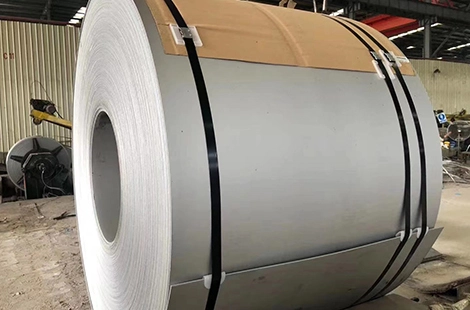
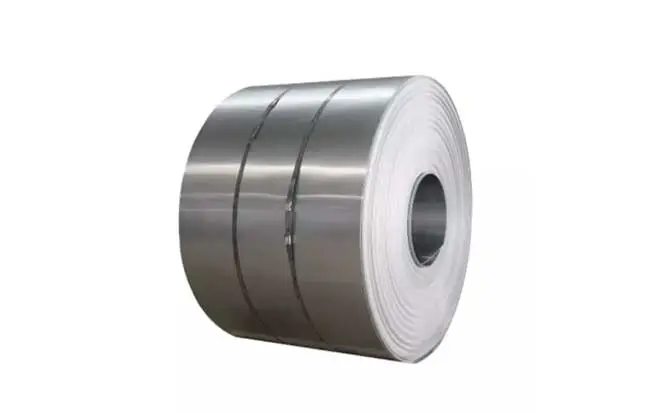
Confirm the available product forms, including stainless steel coil, sheet, plate and strip. Then check whether the producer can supply grades such as 201, 202, 301, 304, 316, 321, 409, 410 or 430.
The right grade depends on the application. Decorative panels may prioritize appearance and formability, while food equipment, chemical-processing parts or outdoor components may require higher corrosion resistance. Automotive and appliance manufacturers may focus more on strength, magnetic properties, heat resistance and cost.
Experienced stainless steel producers should help buyers narrow the options instead of recommending the most expensive grade by default.
Surface finish is not only a visual choice. It can influence cleaning, fabrication, reflectivity and scratch visibility.
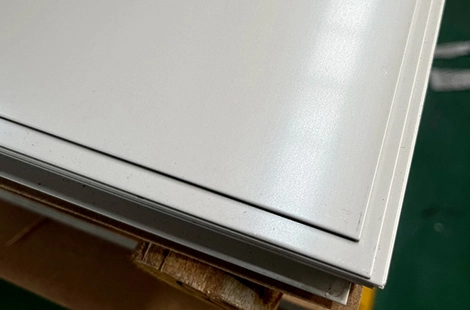
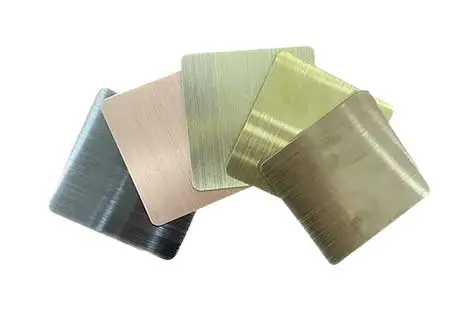
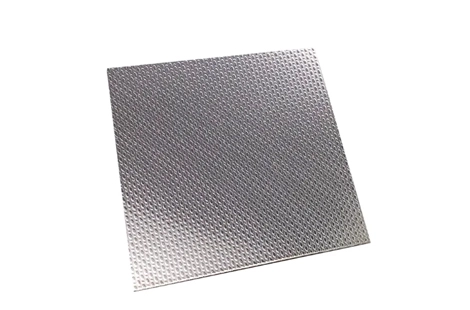
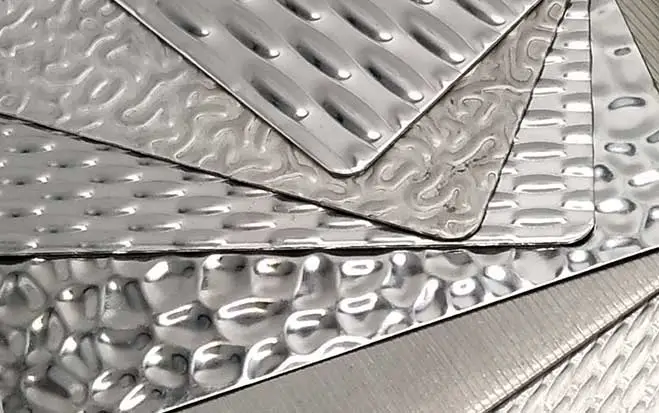
Common options include No.1, 2B, BA, No.4, hairline, mirror, anti-fingerprint, embossed, etched, PVD-coated and sandblasted finishes. A producer with multiple finishing capabilities can support industrial and decorative projects without forcing buyers to coordinate several processors.
Before ordering, define the expected appearance clearly. For brushed finishes, confirm grain direction and consistency. For mirror sheets, specify reflectivity and surface protection. For decorative sheets, review pattern depth, color consistency and protective-film requirements.
Samples are valuable when the surface will remain visible after fabrication. An approved reference panel reduces the risk of different interpretations between the buyer, producer and fabricator.
Many buyers do not need a standard master coil or full-size sheet. They need material prepared for the next production step.
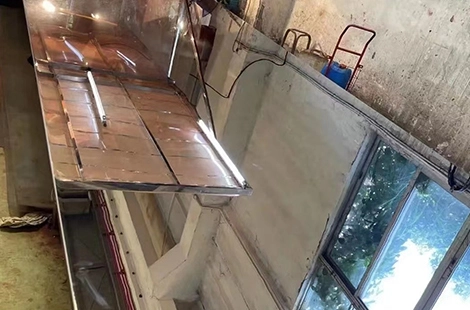
Useful services may include precision slitting, cut-to-length processing, sheet cutting, embossing, etching and customized surface treatment.
Custom dimensions can reduce scrap and in-house preparation. Ordering strip close to the finished component width may lower edge waste, while cut-to-size sheets can shorten fabrication time. Buyers should still confirm tolerance, burr level, flatness, edge condition and packing method before production.
The best stainless steel producers review how the material will be stamped, bent, welded, polished or assembled and recommend a practical supply condition.
A low unit price can become expensive if the shipment contains inconsistent thickness, mixed grades, surface defects or damaged edges. Buyers should understand how the producer controls production and final inspection.
Important points include:
Grade and composition verification
Thickness, width and length measurement
Surface inspection before packing
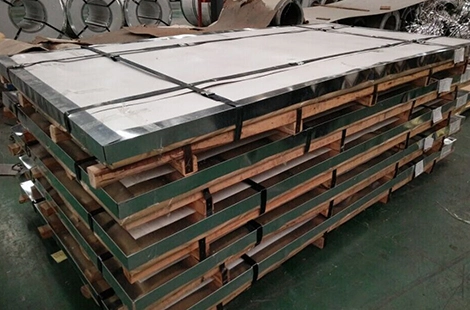
Coil and sheet protection during transport
Order documents and traceability
Handling of nonconforming material
For repeat orders, batch-to-batch consistency is often as important as a single inspection result. Establish an approved specification and use it as the reference for future shipments.
Quoted price is only one part of procurement cost. Material yield, rework, processing time, packaging, freight efficiency and delivery reliability can all change the real cost.
A cheaper coil may not save money if poor width control increases trimming waste. A decorative sheet may cost more initially but reduce later polishing or coating. Better packaging can also prevent scratches that make visible panels unusable.
When comparing stainless steel producers, request quotations based on the same grade, finish, thickness, tolerance, dimensions, quantity, packaging and delivery terms. Without a consistent RFQ, price comparisons can be misleading.
A clear request helps the producer quote accurately and identify technical risks early. Include:
Product form and grade
Thickness, width and length
Required tolerance
Surface finish and protective film
Edge condition
Quantity and delivery schedule
Intended application
Inspection and documentation requirements
Destination port and trade terms
For customized products, also confirm sample availability, minimum order quantity, production lead time and which specifications require approval before mass production.
Normandy Metal integrates stainless steel supply, re-rolling and processing for international B2B customers. Our range covers hot-rolled and cold-rolled coil, sheet and strip in commonly requested 200-, 300- and 400-series grades.
We also support multiple surface finishes and services, including precision slitting, cutting, embossing and etching.
Thickness, width and length can be customized according to production requirements. By combining material supply with downstream processing, we aim to reduce coordination work and provide stainless steel closer to the condition required for fabrication.
For buyers comparing stainless steel producers, the most useful conversation begins with the final application. Share your drawings, target dimensions, finish requirements, expected volume and production challenges so our team can recommend a practical supply plan.
The right producer should provide more than inventory. It should understand grades, finishes, processing, tolerances, quality control and delivery requirements as one connected supply system.
Rather than choosing only by company size or the lowest quotation, evaluate how well each supplier can support your production process. A capable long-term partner can help reduce waste, prevent specification errors and make repeat purchasing more predictable.
Provide the grade, product form, dimensions, tolerance, finish, quantity, application, packaging and delivery destination. Drawings or samples are useful for customized products.
Direct sourcing may offer stronger customization and technical communication, while traders can suit small mixed orders. The better choice depends on volume, specification complexity and delivery needs.
Review its inspection process, tolerance control, documentation, sample approval procedure and handling of nonconforming material. For repeat purchasing, compare several production batches.
Many integrated producers and processing centers provide slitting and cut-to-length services. Confirm tolerances, edge condition, flatness and minimum order quantity.
The application determines the finish. 2B suits general fabrication, No.4 and hairline provide brushed decorative surfaces, BA and mirror finishes offer higher reflectivity, while embossed and anti-fingerprint finishes meet specialized needs.

College degree, Internation trade Major of CHANGSHA ZHONGSHANG FOREIGN LANGUAGE UNIVERSITY.
Professinal exporting manager of NORMANDY METAL INDUSTRY CO.,LTD.
18 years working experience in STAINLESS STEEL MATERIALS INDUSTRY.
This is the first one.
 English