Austenitic, ferritic, and martensitic stainless steels are classified according to their microstructure. Although all three contain chromium, differences in nickel, carbon, molybdenum, and other alloying elements affect their corrosion resistance, magnetism, hardness, formability, welding behavior, and heat-treatment response.
This austenitic vs martensitic vs ferritic stainless steel comparison explains the main differences and helps buyers select a suitable stainless steel family and grade for their application.
| Property | Austenitic Stainless Steel | Ferritic Stainless Steel | Martensitic Stainless Steel |
|---|---|---|---|
| Room-temperature structure | Face-centered cubic, FCC | Body-centered cubic, BCC | Mainly body-centered tetragonal after hardening |
| Main alloying elements | Chromium with nickel, manganese or nitrogen | Chromium with relatively low carbon | Chromium with higher carbon |
| Common grades | 201, 304, 316, 321 | 409, 430, 439, 444 | 410, 420, 440C |
| Magnetic behavior | Usually low magnetic response when annealed; may become magnetic after cold working | Magnetic | Magnetic |
| Heat-treatment hardening | No; strengthened mainly by cold working | No | Yes |
| Corrosion resistance | Generally good to excellent, depending on grade | Varies from moderate to high, depending on grade | Varies with composition, surface and heat treatment |
| Formability | Generally high | Moderate and grade-dependent | Limited, particularly after hardening |
| Weldability | Generally good | Depends on grade, thickness and welding conditions | Usually more limited |
| Main advantage | Corrosion resistance and formability | Magnetic properties and cost-effective chromium-based options | High hardness, strength and wear resistance |
| Typical uses | Food equipment, tanks, chemical processing and architectural products | Exhaust systems, appliances, heat exchangers and decorative components | Knives, instruments, shafts, fasteners and wear parts |
These are general family-level comparisons. Actual performance must be evaluated using the specified grade, condition, thickness and service environment. Some high-alloy ferritic grades, for example, can exceed certain austenitic grades in corrosion resistance.
The main austenite vs martensite crystal structure difference is the arrangement of atoms within the steel.
Austenitic stainless steel retains a face-centered cubic structure at room temperature. This structure supports good ductility, toughness and formability. Austenitic grades cannot normally be hardened through conventional quenching and tempering, although cold working can significantly increase their strength.
Martensitic stainless steel develops a hard martensitic structure after suitable heating and cooling. Its higher carbon content enables heat-treatment hardening, but increasing hardness generally reduces ductility and toughness.
This structural difference explains why austenitic grades are commonly selected for formed or welded products, while martensitic grades are preferred for cutting, wear and high-strength components.
The main difference between ferritic and austenitic stainless steel involves alloy composition, magnetic response, forming behavior and application requirements.
Austenitic grades such as 304 and 316 provide broad corrosion resistance for food processing, chemical equipment and architectural applications. Ferritic corrosion resistance varies considerably: basic grades are suited to mildly corrosive conditions, while higher-chromium or molybdenum-alloyed ferritic grades can perform in more demanding environments.
Ferritic stainless steel is magnetic. Austenitic stainless steel usually has a low magnetic response in the annealed condition, but cold rolling, forming or welding may introduce some magnetic response. Therefore, a simple magnet test cannot reliably confirm an austenitic grade.
Austenitic stainless steel generally offers better deep drawing, complex forming and welding performance. Ferritic stainless steel can also be fabricated successfully, but grade selection, material thickness and welding heat input require closer control.
Standard ferritic grades usually contain little or no nickel, which can reduce exposure to nickel-price fluctuations. However, material selection should be based on the required corrosion resistance and fabrication process rather than price alone.
For an austenitic vs ferritic stainless steel decision, choose austenitic grades when extensive forming, welding or broad corrosion resistance is required. Consider ferritic grades for magnetic components, automotive exhaust systems, appliances and applications where a chromium-based grade meets the required performance.
The most important difference between austenitic and martensitic stainless steel is that martensitic grades can be hardened by heat treatment, while austenitic grades cannot.
Austenitic grades generally provide:
Better formability and ductility
Better general weldability
Good to excellent corrosion resistance
Good toughness, including at low temperatures
Martensitic grades generally provide:
Higher achievable hardness
Better wear and edge retention
Magnetic behavior
Lower formability after hardening
More demanding welding requirements
In an austenitic vs martensitic stainless steel comparison, 304, 316 and 321 are suitable for fabricated equipment, tanks, food-processing components and architectural products. Grades such as 410, 420 and 440C are more suitable for blades, instruments, shafts and components requiring hardness or wear resistance.
Ferritic and martensitic grades are both chromium-based and generally magnetic, but they should not be treated as the same material family.
Ferritic stainless steel has relatively low carbon and cannot be hardened through conventional heat treatment. It is commonly selected for exhaust systems, kitchen appliances, architectural components and other applications requiring moderate strength and suitable corrosion resistance.
Martensitic stainless steel contains more carbon, enabling it to be hardened and tempered. It is selected where hardness, strength, wear resistance or cutting performance is more important.
The key ferritic vs martensitic stainless steel distinction is therefore heat-treatment response: ferritic steel remains relatively soft and formable, while martensitic steel can achieve much higher hardness.
| Application requirement | Recommended family | Typical grades |
|---|---|---|
| General food-processing equipment | Austenitic | 304, 316 |
| Chemical or chloride-containing environments | Austenitic, subject to environment review | 316, 316L |
| Welded tanks and fabricated equipment | Austenitic | 304L, 316L |
| Elevated-temperature fabricated components | Austenitic stabilized grade | 321 |
| Automotive exhaust systems | Ferritic | 409, 439, 441 |
| Appliance panels and decorative components | Ferritic or austenitic | 430, 304 |
| Knives and cutting tools | Martensitic | 420, 440C |
| Shafts, fasteners and wear components | Martensitic | 410, 420 |
| High formability or deep drawing | Austenitic | 304 and suitable forming grades |
| Heat-treatment hardening | Martensitic | 410, 420, 440C |
This table is a starting point rather than a substitute for technical material selection. Temperature, chemicals, loading, welding, surface finish and applicable standards should also be considered.
Before ordering stainless steel sheet, coil or strip, confirm:
Stainless steel family and exact grade
Applicable ASTM, EN, JIS or project standard
Thickness, width, length and tolerance
Annealed, cold-worked or hardened condition
Required hardness or temper
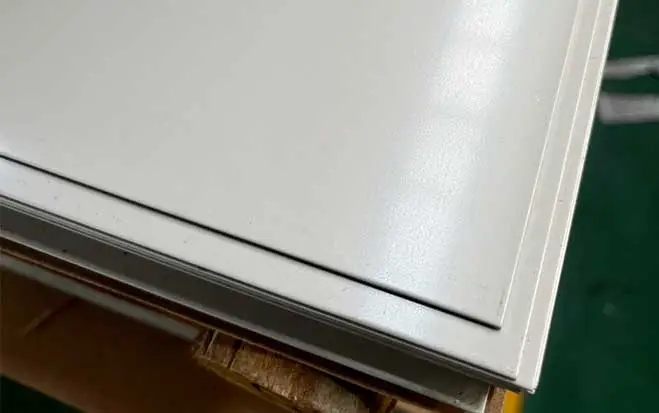
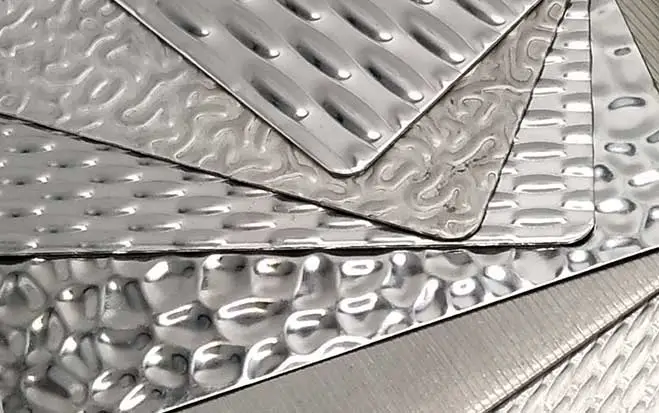
Surface finish and protective film
Forming, welding or heat-treatment requirements
Material certificate and inspection documentation
The words “austenitic,” “ferritic,” or “martensitic” identify a material family, but they do not replace an exact grade specification.
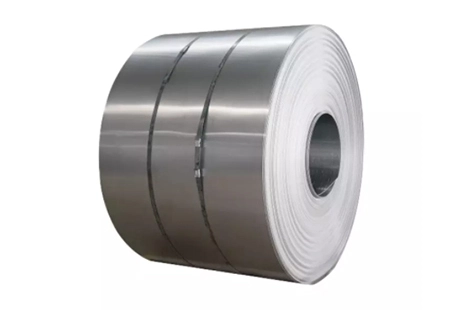
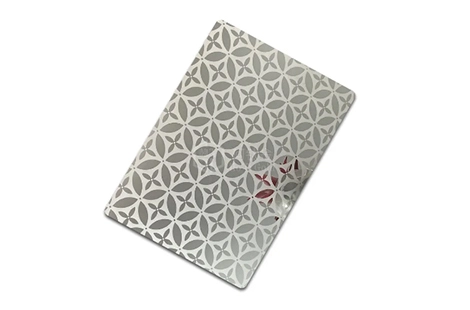
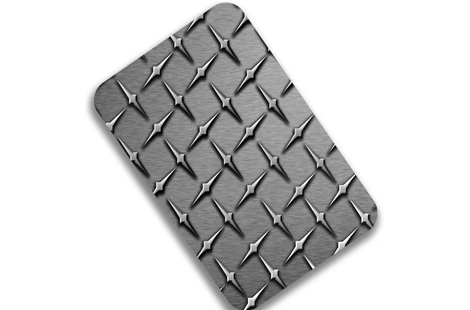
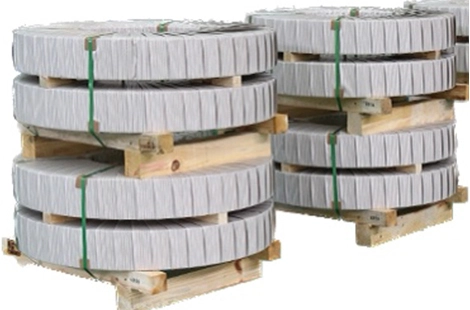
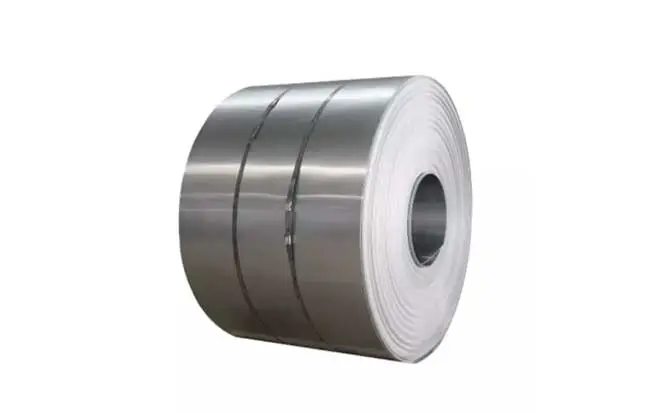
Normandy supplies austenitic stainless steel products from the 200 and 300 series, together with ferritic and martensitic 400-series materials. Buyers can provide the required grade, dimensions, finish and application for material-selection and quotation support.
316 stainless steel is an austenitic grade. It contains chromium, nickel and molybdenum and is commonly selected for applications requiring improved resistance to localized corrosion compared with standard 304.
No. Annealed austenitic stainless steel normally has a very low magnetic response, but cold working and some welding conditions can produce measurable magnetism. Magnetism alone should not be used to identify a stainless steel grade.
Heat-treated martensitic stainless steel is generally much harder than ferritic stainless steel. Ferritic grades cannot be hardened through conventional quenching and tempering.
Not in every case. Basic ferritic grades may provide lower corrosion resistance than commonly used austenitic grades, but some high-chromium and molybdenum-alloyed ferritic grades can outperform certain austenitic grades.
Both can be welded, but weldability depends on the exact grade and section thickness. Ferritic welding requires control of heat input and grain growth. Traditional high-carbon martensitic grades are more difficult to weld and may require preheating, controlled filler materials or post-weld heat treatment.
No. The 400 series contains both ferritic and martensitic grades. For example, 409 and 430 are ferritic, while 410, 420 and 440C are martensitic.
The austenitic vs martensitic vs ferritic choice depends on the required balance of corrosion resistance, forming, welding, magnetism, hardness and cost.
Austenitic stainless steel is generally preferred for corrosion resistance and fabrication. Ferritic stainless steel is suitable for many magnetic, appliance and automotive applications. Martensitic stainless steel is selected when hardness, wear resistance and heat-treatment response are critical.
The final purchase specification should always identify the exact grade, dimensions, material condition, surface finish and applicable standard rather than specifying only the stainless steel family.

College degree, Internation trade Major of CHANGSHA ZHONGSHANG FOREIGN LANGUAGE UNIVERSITY.
Professinal exporting manager of NORMANDY METAL INDUSTRY CO.,LTD.
18 years working experience in STAINLESS STEEL MATERIALS INDUSTRY.
 English