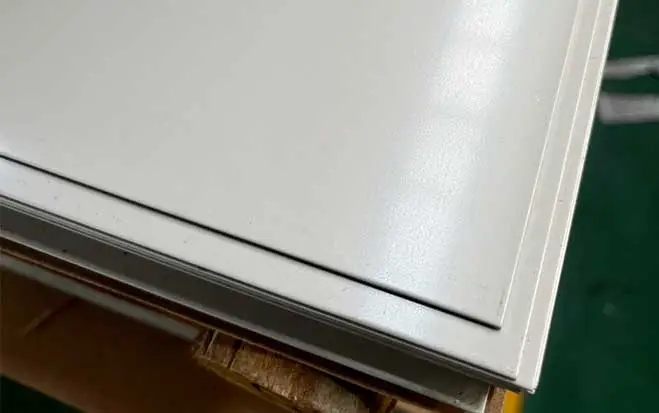
A 304 SS sheet order may appear straightforward: confirm the grade, thickness, dimensions and quantity, then compare quotations. In actual fabrication, however, two sheets carrying the same 304 designation can perform differently if their surface condition, dimensional tolerance, flatness, edge quality or protective film does not match the next production step.
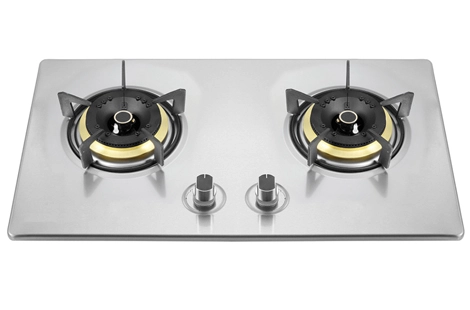
For manufacturers producing equipment panels, cabinets, kitchen systems, tanks, enclosures or architectural components, the purchasing specification should be built around fabrication. The objective is not simply to receive stainless steel that meets a grade standard, but to receive material that can move through cutting, bending, welding and finishing with fewer delays and less waste.
The supplier should know how the sheet will be processed after delivery. A panel intended only for laser cutting has different purchasing priorities from a sheet that will be deeply formed, welded into a vessel or installed as a visible decorative surface.
Before sending an RFQ, confirm whether the 304 SS sheet will undergo:
Laser, plasma or mechanical cutting
Punching or stamping
Press-brake bending
Deep drawing
Roll forming
Welding
Mechanical polishing
Coating or laminating
Grade 304 is widely used for general sheet-metal fabrication because of its balance of corrosion resistance, ductility and weldability. It is commonly specified for equipment cabinets, food-processing equipment, work surfaces and other formed products.
The fabrication route determines which purchasing details require the tightest control.
Surface finish should not be selected only by appearance. It also affects polishing time, scratch visibility, film protection and the amount of post-fabrication work required.
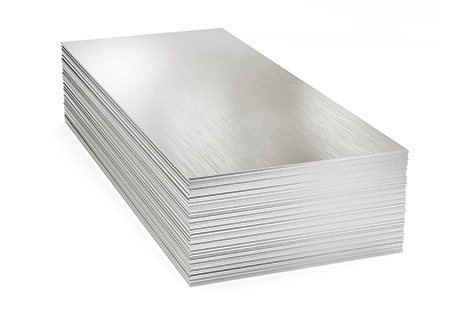
A 2B surface is commonly used when the sheet will be fabricated, polished later or installed where a moderately smooth industrial finish is acceptable. BA may suit components that require a brighter starting surface. No.4 and hairline finishes are more appropriate when a directional brushed appearance will remain visible.
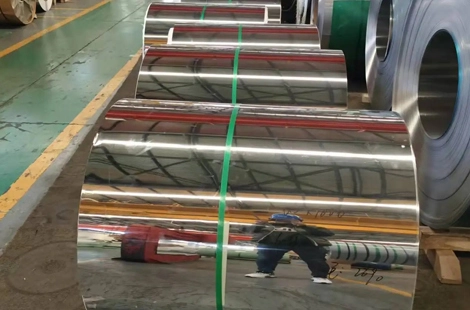
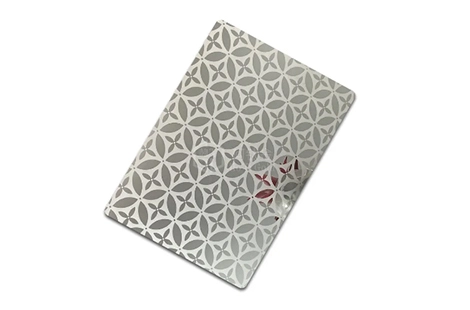
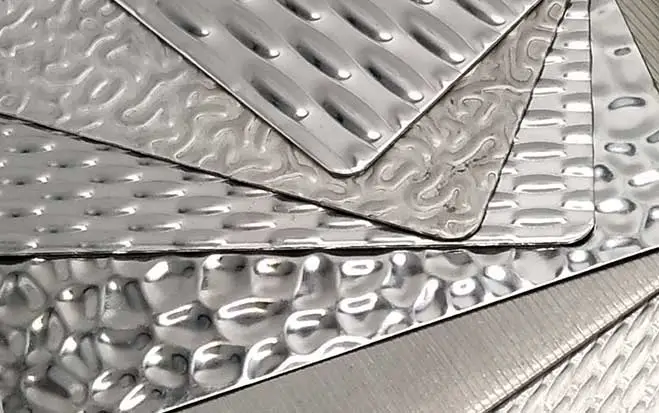
Mirror, embossed, anti-fingerprint and coated surfaces require greater handling control because the supplied finish is already part of the finished product.
For every visible order, specify:
Which side is the visible face
Grain or polishing direction
Required gloss or reference sample
Whether both sides need inspection
Protective-film type
Acceptable surface defects
Normandy Metal supplies 304 stainless steel in 2B, BA, No.4, hairline, mirror and other processed surface conditions, allowing the starting finish to be matched to the final component.
A purchase order stating only nominal thickness leaves room for variation that may affect tooling, weight calculations, forming pressure and assembly.
The buyer should determine whether the project requires standard commercial tolerance or a narrower range. Tighter tolerance may be important for precision enclosures, stamped components, mating panels and weight-controlled products. It may be less critical for covers, liners or non-structural decorative panels.
When comparing quotations, check whether suppliers are quoting the same:
Nominal thickness
Permitted thickness range
Width and length tolerance
Diagonal tolerance
Flatness requirement
Applicable material standard
A lower price may reflect a wider tolerance rather than a genuinely better material offer.
A full sheet may appear acceptable before processing but develop handling problems when divided into narrow or long parts. Residual stress, sheet thickness and cutting layout can all influence the condition of the cut component.
Buyers producing large doors, cabinet panels, elevator components or long covers should discuss flatness before ordering. Simply asking for a “flat sheet” is not precise enough when the final part has strict assembly or appearance requirements.
Provide the supplier with the finished panel size and explain how the part will be supported. The relevant question is not only whether the original sheet is flat, but whether the selected material condition is appropriate for the dimensions and fabrication route of the finished component.
Purchasing full sheets is not always the most economical option. Cut-to-size material can reduce internal handling, programming time and scrap, particularly when the buyer repeatedly produces the same panel dimensions.
However, pre-cut material requires clear acceptance criteria. Confirm:
Final blank dimensions
Cutting tolerance
Maximum burr allowance
Corner condition
Hole or slot requirements
Part identification
Film retention during cutting
Packing sequence
For parts with visible surfaces, clarify whether cutting marks, heat effects or handling scratches are permitted near the edge. Numbered or sequenced packing can also simplify production when several blanks belong to one assembly.
Grade alone does not describe how the sheet will be formed. The supplier should know the bend radius, bend direction, part geometry and whether the material will undergo severe drawing or repeated forming.
For brushed or directional sheets, the relationship between grain direction and bend line should be reviewed before blanks are cut. Otherwise, completed components may reflect light differently when assembled.
Deep-drawn parts require additional attention to material consistency and forming expectations. When the geometry is demanding, buyers should provide drawings and arrange a sample or production trial instead of relying only on a standard material description.
The specification should focus on repeatability. A batch that forms successfully once is not enough if later deliveries behave differently in the same tooling.
A 304 SS sheet can be welded using common stainless-steel welding processes, but the purchasing decision should still consider the joint design and finished appearance. Austenitic stainless steels require controlled fabrication practices to limit distortion, contamination and unwanted changes around the weld area.
Tell the supplier whether the project includes continuous seams, spot welding, structural joints or visible welds. Buyers should also confirm whether standard 304 or a low-carbon alternative is more appropriate for the welding conditions and service environment.
Post-weld requirements may include:
Grinding the weld flush
Restoring a directional finish
Removing heat tint
Cleaning and passivation
Matching adjacent visible panels
These operations can influence the most practical starting finish and sheet thickness.
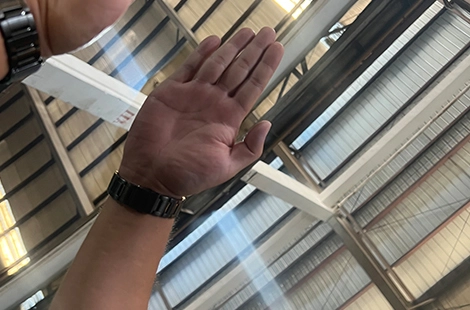
Surface damage often occurs after the sheet passes factory inspection. Incorrect stacking, contaminated tools and dragging one sheet across another can create scratches that remain visible after installation.
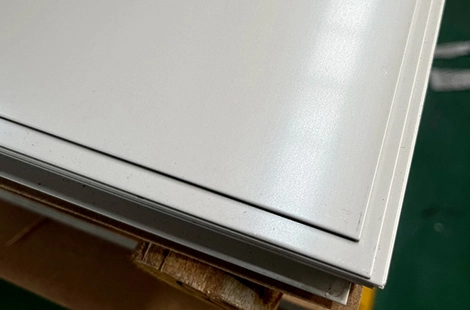
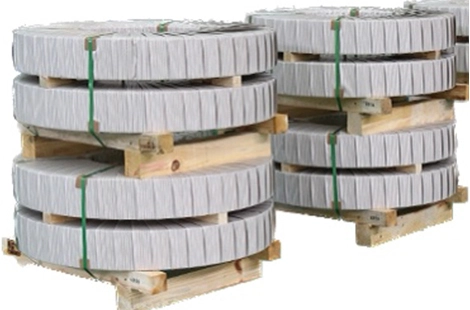
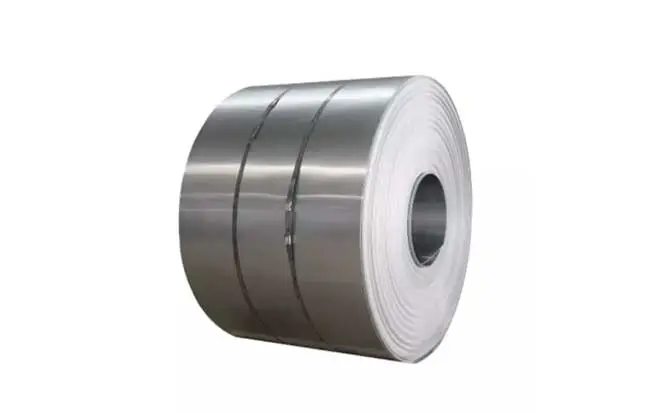
Smooth sheet and strip can be supplied with paper interleaving or protective film that remains in place through part of the fabrication process. Clean storage and dedicated handling practices help prevent contamination from carbon steel particles.
The RFQ should state whether the shipment requires:
PVC or laser-compatible film
Single- or double-side protection
Paper interleaving
Reinforced pallets
Moisture barriers
Maximum package weight
Vertical or horizontal packing
Protection should match both transport conditions and the buyer’s production process.
A practical RFQ should contain more than grade and dimensions. Include:
304 or required equivalent designation
Applicable standard
Thickness and tolerance
Width and length
Surface finish
Visible face and grain direction
Flatness requirement
Protective film
Cutting or slitting requirements
Quantity and delivery schedule
Inspection documents
Packaging method
Finished application
Drawings are especially valuable when the supplier will provide cutting, surface processing or other customization.
Normandy Metal supplies 304 SS sheet in hot-rolled and cold-rolled conditions, with multiple surface finishes and customized dimensions. Available processing support includes cutting, precision slitting and decorative surface treatments.
Instead of evaluating the material separately from fabrication, buyers can provide the finished application, drawing, surface target and annual demand. This allows the material format and processing plan to be aligned before mass production.
The best 304 SS sheet specification is built around what happens after delivery. Thickness tolerance, surface direction, flatness, cutting quality, forming requirements and protective packaging all influence the final manufacturing result.
A detailed RFQ may take longer to prepare, but it gives suppliers a consistent basis for quotation and reduces the risk of scrap, rework and production interruptions. For repeat B2B orders, controlling these details is more valuable than purchasing by grade and price alone.
Yes. It is commonly laser cut for panels, enclosures and fabricated components. Buyers should specify sheet thickness, dimensional tolerance, protective film and acceptable edge condition.
A 2B finish is a practical starting point for many industrial parts. BA, No.4, hairline or mirror finishes may be selected when the supplied surface will remain visible.
Yes. Cut-to-size supply can reduce internal processing and material waste. The order should define blank dimensions, cutting tolerance, burr allowance and packing sequence.
Directional finishes such as No.4 and hairline reflect light differently according to orientation. Grain direction should remain consistent across adjacent visible panels.
Provide the grade, standard, thickness, tolerance, dimensions, finish, quantity, processing requirements, protective film, packaging, application and delivery destination.

College degree, Internation trade Major of CHANGSHA ZHONGSHANG FOREIGN LANGUAGE UNIVERSITY.
Professinal exporting manager of NORMANDY METAL INDUSTRY CO.,LTD.
18 years working experience in STAINLESS STEEL MATERIALS INDUSTRY.
 English