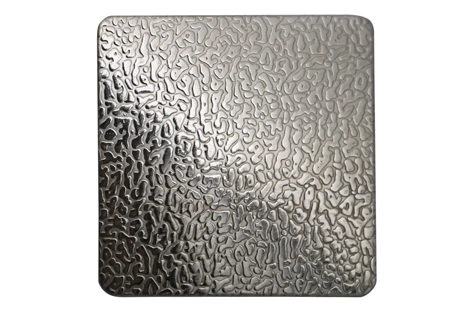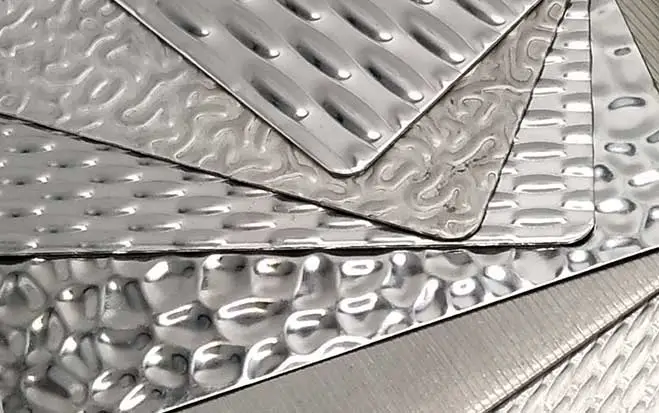
An embossed stainless steel sheet is often chosen when a flat metal surface cannot provide enough depth, rhythm or tactile character. In elevator panels, wall cladding, retail fixtures and equipment covers, the raised texture becomes part of the finished design.
For buyers, selecting a pattern from a catalog is only the beginning. Pattern direction, grade, visible face, forming method, protective film and batch consistency can all affect the final installation. A successful order therefore starts with a complete specification rather than a pattern name alone.
Terms such as linen, diamond and elephant skin describe a general visual family, but they do not fully define the finished surface. Similar patterns may still differ in scale, relief depth, spacing and light reflection.
The safest approach is to approve a physical sample. Review it under lighting similar to the intended installation and from the normal viewing distance. A texture that appears subtle on a hand sample may look much stronger across a large elevator wall or column cover.
Record the sample code, pattern direction and accepted appearance so the same reference can be used for mass production and later repeat orders.
Pattern selection should reflect where the sheet will be used, how closely people will view it and how often the surface will be touched.
Fine textures can create a restrained appearance for cabinets, appliance panels and interior trim. Larger or deeper patterns work better when stronger visual relief is required or the texture must remain visible from a distance.
Textured surfaces may make minor handling marks less noticeable than highly reflective flat sheets, but deeper patterns can require more careful cleaning. The best choice balances appearance, maintenance and fabrication.
The pattern does not replace correct grade selection. The base material still determines corrosion resistance, formability and suitability for the operating environment.
Grade 201 may suit cost-sensitive interior decorative work where exposure is controlled. Grade 304 is widely used for commercial and architectural applications requiring broader corrosion resistance. Grade 316 may be more suitable where moisture, chlorides or harsher conditions are expected.
Tell the supplier whether the embossed stainless steel sheet will be installed indoors, outdoors, near a coast, in a food-service area or around cleaning chemicals. Grade and surface treatment should be evaluated together.
Directional textures can reflect light differently when adjacent panels are rotated, even if the sheets come from the same batch.
The drawing or purchase order should identify:
Pattern direction
Visible face
Panel orientation
Joint locations
Protective-film side
For wall cladding, elevator interiors and long decorative runs, panel numbering can help installers maintain the intended sequence. If replacement sheets may be needed later, reserve material from the original lot where practical.
Embossing changes the surface geometry, so fabrication must be considered before mass production. The pattern may affect how the sheet sits on a cutting table, enters bending equipment or meets another panel at a joint.
Confirm the intended cutting, bending, punching, welding and edge-finishing methods. Critical bends or complex shapes should be tested with a sample, especially when the texture must remain continuous across formed sections.
If the material will be bonded to a substrate, check the rear surface and adhesive requirements in advance. Ordering sheets close to final size can reduce handling, but the cutting tolerance must match the installation method.
Decorative projects often place many panels within one visual field. Small differences that are acceptable on separate components may become obvious when sheets are installed side by side.
A bulk specification should define how production will be compared with the approved sample. Control points may include pattern depth, pattern repeat, gloss, color, flatness and visible defects.
Whenever possible, order material for one visible area from the same production lot. For colored or coated embossed sheets, this is especially important because both texture and color must remain coordinated.
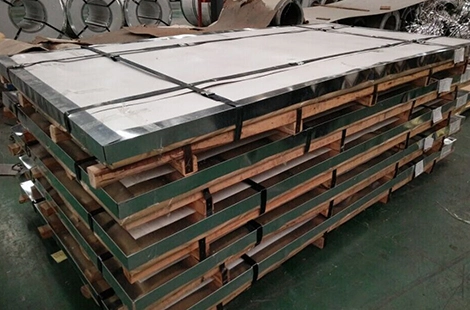
An embossed stainless steel sheet can pass factory inspection and still arrive damaged if it is poorly protected during transport.
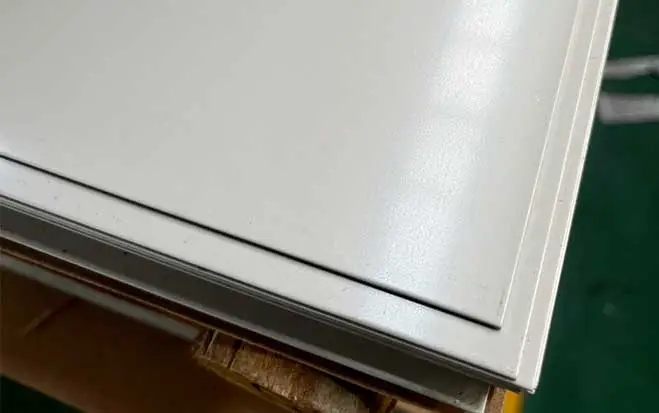
Protective film should match the texture and remain removable after fabrication. Packaging may also require paper interleaving, reinforced pallets, corner guards and moisture protection.
The sheets should be secured against movement that can cause rubbing, edge damage or deformation. Installation teams should remove the film within the recommended period rather than leaving it exposed to heat or sunlight for too long.
A useful RFQ should include:
Grade, thickness, width and length
Pattern name or approved sample reference
Pattern direction and visible face
Quantity and required tolerance
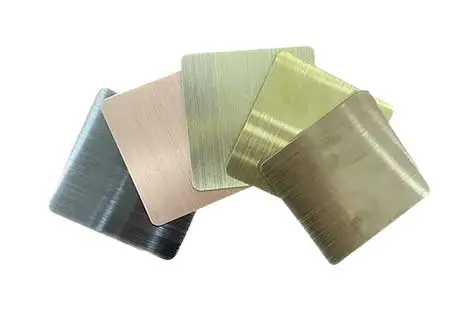
Surface color or additional finish
Protective-film requirements
Cutting or fabrication services
Packaging, destination and application
Drawings, photos and panel layouts help the supplier identify risks that may not be clear from text alone.
Normandy Metal supplies embossed decorative stainless steel in linen, diamond and elephant-skin patterns. Its broader product range includes stainless steel sheet in multiple grades, while its processing capabilities include cutting, embossing and customized dimensions.
This allows buyers to discuss the base material, pattern and downstream preparation within one supply plan. Sharing drawings, target appearance, application and order volume helps the team prepare a more relevant recommendation and quotation.
The success of an embossed stainless steel sheet project depends on decisions made before production. Pattern approval, grade selection, orientation, fabrication trials, lot control and packaging should all be treated as part of one specification.
A detailed RFQ reduces the risk of visual mismatch, fabrication problems and replacement costs. For architectural and commercial projects, controlling these details is more valuable than choosing by pattern name and price alone.
It can be, but the grade, coating and maintenance plan must match the environment. Coastal or chloride-exposed projects may require a more corrosion-resistant grade than protected interior installations.
Yes, but pattern depth, thickness, bend radius and tooling can affect the result. A forming trial is recommended when appearance around the bend is critical.
Common options include linen, diamond and elephant-skin textures. Pattern availability, dimensions and minimum quantities should be confirmed for each order.
Use an approved reference sample, specify pattern direction and source panels for the same visible area from one production lot whenever possible.
Provide the grade, thickness, dimensions, pattern, direction, quantity, finish, protective film, processing requirements, application and delivery destination.

College degree, Internation trade Major of CHANGSHA ZHONGSHANG FOREIGN LANGUAGE UNIVERSITY.
Professinal exporting manager of NORMANDY METAL INDUSTRY CO.,LTD.
18 years working experience in STAINLESS STEEL MATERIALS INDUSTRY.
 English