After years in the stainless steel industry, I’ve seen far too many buyers fall into traps when working with manufacturers for the first time. They end up overpaying for substandard products, facing endless disputes, and suffering costly production delays. These issues can almost always be avoided by verifying a few key details upfront. This article shares only practical, real-world experience—like a concerned friend warning you against unnecessary risks.
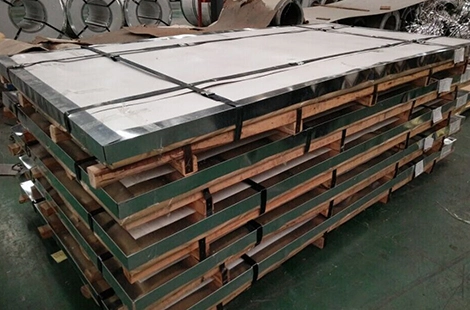
Many companies that appear to be large manufacturers are simply trading firms with no production line of their own. Before signing any agreement, check their business license, factory photos, workshop videos, and on-site production records to confirm they are a genuine manufacturer.
Reliable stainless steel manufacturers never refuse on-site visits; their equipment, production capacity, and inventory are all transparent. Confirming these details upfront prevents shortages, delivery delays, and unexpected price hikes later.
Material grade is the foundation of stainless steel plates, and also the most common area for fraud. Prices vary greatly between 304, 316, 201 and other grades, yet some suppliers substitute inferior materials without notice.
Always clarify the exact grade in advance, and require official mill test certificates and inspection reports. If necessary, order samples for testing. Verbal promises are not enough—written standards and official documents are your real protection if quality issues arise.
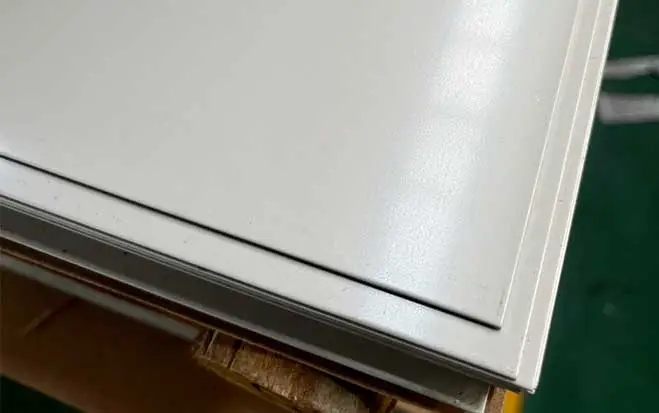
Dimensional tolerance and surface quality directly affect whether the material can be processed properly. Thickness, length, width, flatness and leveling precision must all be clearly confirmed.
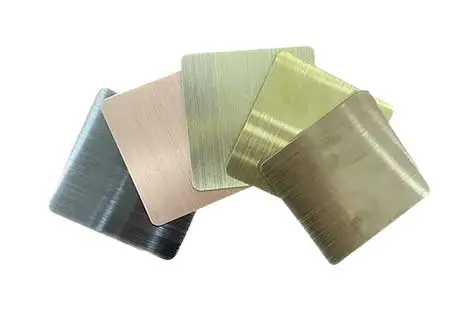
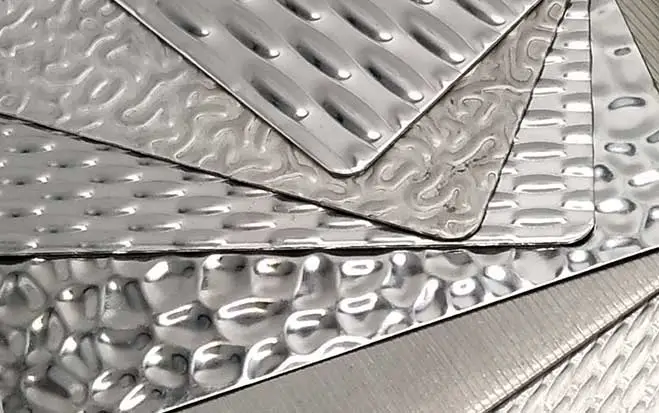
Surface finishes such as 2B steel finish, brushed, mirror, and satin should also be agreed upon with samples provided. Most disputes start with “it looks close enough”, yet even small deviations in actual production can make an entire batch unusable.
First-time buyers often overlook delivery capabilities. Some 304 stainless steel plate suppliers offer extremely low prices but lack real production capacity, leading to long delays that disrupt your entire schedule.
Before cooperation, confirm minimum order quantity, standard lead times, urgent order arrangements, and inventory stability. For long-term partnerships, choose suppliers with consistent, on-time delivery. Time lost to delays often costs more than any price difference.
A lower price does not mean better value. Always clarify what is included in the quotation and whether hidden fees apply—such as cutting, packaging, shipping or tax costs.Clarify payment terms, liability clauses, and solutions for quality-related issues in advance. Trusted manufacturers explain all terms upfront, rather than making excuses or shifting responsibility after problems occur.
| Related Products: | |
| Stainless Steel Strip 1mm | Wholesale 201 Stainless Steel Strip |
| Wholesale Stainless Steel Sheet | SS Decorative Sheets |
| Wholesale 430 Stainless Steel Coil | Stainless Steel Linen Finish |

College degree, Internation trade Major of CHANGSHA ZHONGSHANG FOREIGN LANGUAGE UNIVERSITY.
Professinal exporting manager of NORMANDY METAL INDUSTRY CO.,LTD.
18 years working experience in STAINLESS STEEL MATERIALS INDUSTRY.
 English