The stainless steel 200 series is often selected when buyers need an austenitic material that balances formability, strength, appearance and cost. However, listing only “201” or “202” on a purchase order is not enough to ensure smooth fabrication.
For manufacturers, distributors and project buyers, product form, thickness tolerance, surface condition, edge quality, flatness, protective film and packaging can all affect yield and processing efficiency.
This guide focuses on how to specify stainless steel 200 series for bulk supply rather than repeating basic information about composition, strength or general applications.
A useful specification starts with the part you intend to make. Decorative wall panels have different requirements from stamped strip, roll-formed coil or deep-drawn blanks.
Before requesting a quotation, clarify how the material will be cut, bent, stamped, welded or polished; whether the surface will remain visible; whether the product will be used indoors or outdoors; and which dimensions directly affect tooling or assembly.
These details help the supplier determine whether 201, 202 or another grade is more suitable. They also prevent buyers from paying for surface quality or dimensional control that the final product does not require.
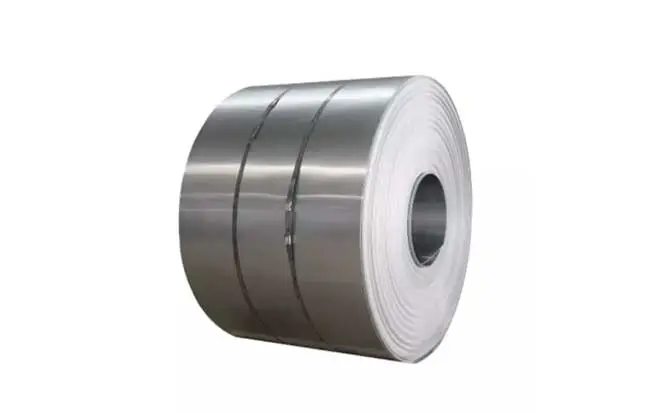
The stainless steel 200 series can be supplied as coil, sheet or strip.
Coil suits continuous operations such as roll forming, stamping and automated cutting. Sheet is easier to handle for panel fabrication, laser cutting and smaller production runs. Strip is useful when a narrow width is required for trim, clamps, formed sections or repeated stamped parts.
Do not choose the form only by unit price. A master coil may appear economical but create extra slitting, storage and handling costs. Pre-slit strip or cut-to-size sheet can sometimes improve material utilization and shorten preparation time.
Surface finish should be selected according to appearance and downstream processing.
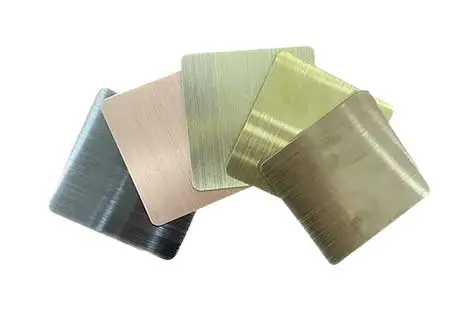
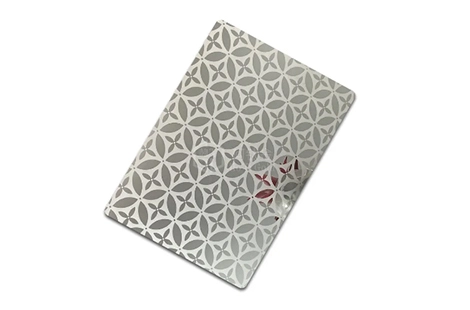
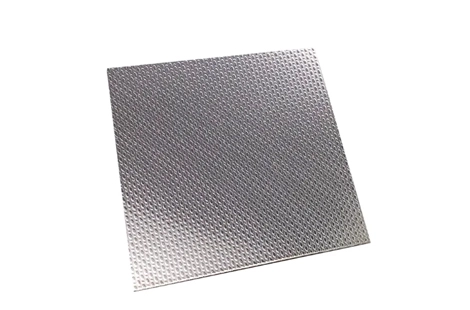
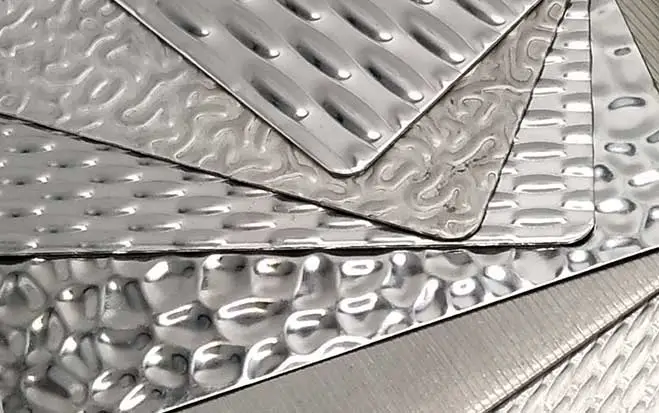
A 2B finish is a practical base for general fabrication. BA offers a brighter surface, while No.4 and hairline finishes create directional brushed appearances. Mirror, anti-fingerprint, embossed, etched and PVD-coated sheets are more appropriate when the metal becomes part of the final design.
For visible components, confirm grain direction, gloss, pattern orientation, acceptable color variation and protective-film requirements. If the material will later be polished, coated or laminated, discuss the starting surface with the supplier so that unnecessary finishing cost is not added.
Nominal dimensions alone may not provide enough control for stable production. Buyers should identify which measurements are critical.
Typical items include thickness, width, length, sheet flatness, strip camber, burr height, coil weight and coil inner diameter. Tighter tolerances can improve repeatability, but they may also affect cost and lead time.
The goal is to control dimensions that influence tooling, assembly and finished quality while allowing practical flexibility elsewhere.
Edge condition is especially important for stainless steel 200 series strip. A complete inquiry should state whether the order requires a mill edge, slit edge or deburred edge. Where stamping direction matters, acceptable burr direction should also be agreed.
An approved sample does not automatically mean every future batch will look identical. This is particularly important for brushed, colored, embossed and mirror surfaces used side by side.
The order specification should define how production material will be compared with the approved reference. Depending on the project, the buyer may need controls for color, gloss, grain, pattern depth, flatness and surface defects.
For repeat orders, keeping the same grade, finish route and protective film can improve consistency. When a major change is necessary, a new sample or pre-production confirmation should be considered.
Inspection should reflect the risks of the order. General industrial material may require grade, dimension and surface checks, while precision-slit or decorative material may need extra edge and appearance inspection.
The purchase agreement should identify:
Applicable material standard
Required inspection documents
Dimensional sampling method
Surface acceptance criteria
Packaging requirements
Procedure for handling nonconforming material
Buyers should also confirm whether heat numbers, coil numbers or batch records must remain traceable through processing and packing. Clear records simplify repeat purchasing and later quality investigations.
Correct material can still arrive unusable if it is scratched, wet, dented or deformed during transport.
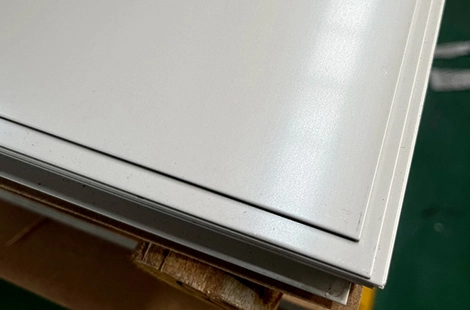
Coils may require moisture protection, reinforced supports and secure strapping. Sheets may need protective film, paper interleaving, corner protection and strong pallets. Narrow strip requires stable winding and edge protection.
Packaging should match the shipment method, unloading equipment, storage conditions and destination. Any limit on pallet size, coil weight or container handling should be communicated before production is completed.
The stainless steel 200 series can be suitable for many formed, fabricated and decorative products when the service environment is understood. It should not be treated as an automatic substitute for every 300-series application.
Buyers should reassess the grade when the component will face aggressive chlorides, demanding outdoor exposure, repeated chemical cleaning or other severe corrosive conditions.
Material choice should be based on total service requirements rather than price alone. A lower initial material cost does not provide real savings if premature corrosion, excessive maintenance or replacement affects the finished product.
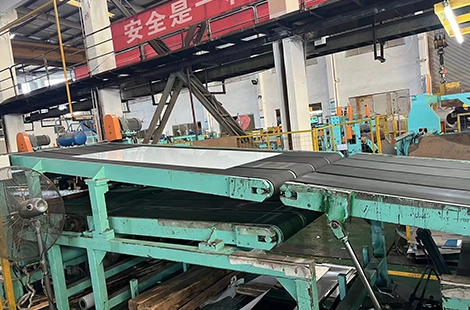
Normandy Metal supplies hot-rolled and cold-rolled stainless steel coil, sheet and strip, including 201 and 202 grades. Its processing scope includes precision slitting, cutting, embossing, etching and multiple surface-finish options.
For an accurate quotation, buyers should provide the grade, dimensions, tolerance, finish, edge condition, quantity, application, packing method and destination. Drawings, samples or photos are especially useful when appearance or downstream fabrication is critical.
Combining material supply with customized processing can also reduce the number of suppliers involved in an order. Buyers can receive coil, sheet or strip closer to the dimensions and surface condition required for the next manufacturing stage.
Successful sourcing of the stainless steel 200 series depends on more than choosing a grade. The material should be specified as part of a production system that includes dimensions, finish, edge condition, processing, inspection and logistics.
A clear RFQ helps the supplier identify technical risks before production and gives the buyer a more reliable basis for comparing quotations. Better specifications can reduce waste, prevent rework and make repeat orders more predictable.
Include the grade, product form, dimensions, tolerance, finish, edge condition, quantity, application, inspection documents, packaging and delivery destination.
No. The choice depends on forming requirements, appearance, service environment and corrosion exposure. Cost should be considered together with manufacturing and performance needs.
Yes. Coil can be slit into narrower widths, subject to tolerance, edge-condition and order-quantity requirements.
No.4, hairline, mirror, anti-fingerprint, embossed, etched and PVD-coated finishes may be considered, depending on appearance, cleaning and fabrication requirements.
A sample creates a physical reference for color, gloss, grain, pattern and surface quality, reducing disagreements during mass production.

College degree, Internation trade Major of CHANGSHA ZHONGSHANG FOREIGN LANGUAGE UNIVERSITY.
Professinal exporting manager of NORMANDY METAL INDUSTRY CO.,LTD.
18 years working experience in STAINLESS STEEL MATERIALS INDUSTRY.
 English