English
Provide High Quality Stainless Steel Products And One-Stop After-Sales Service

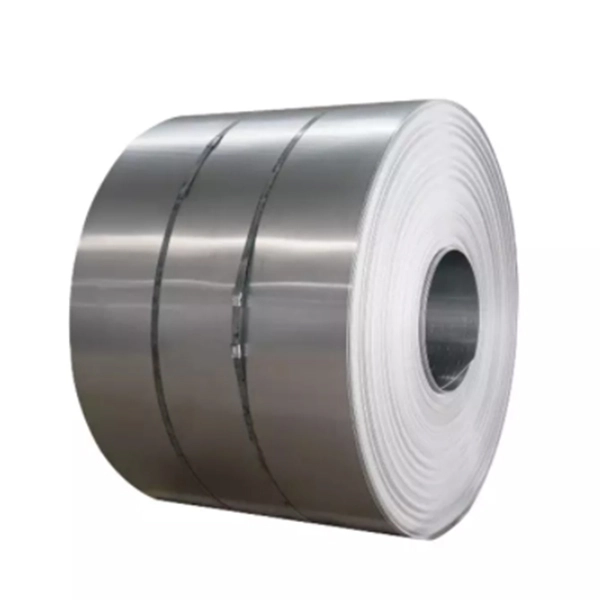
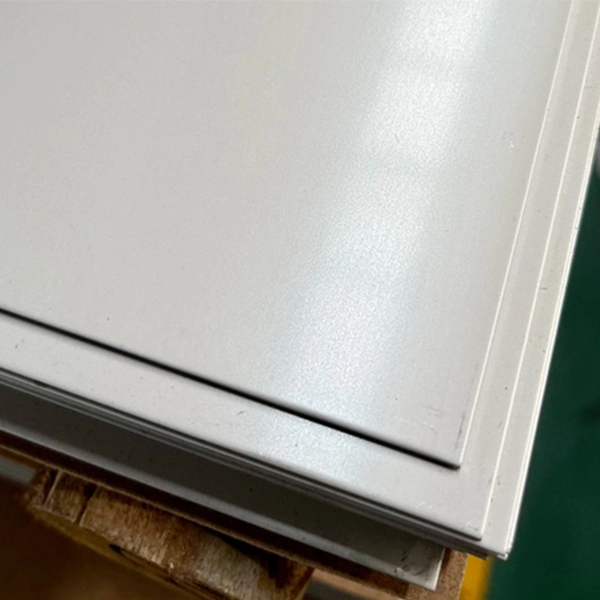
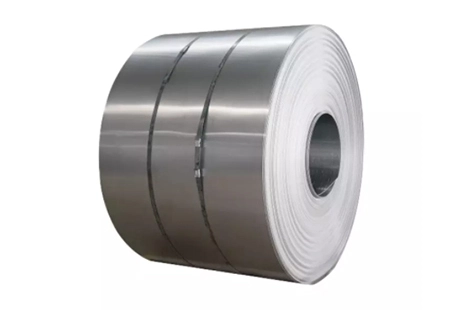
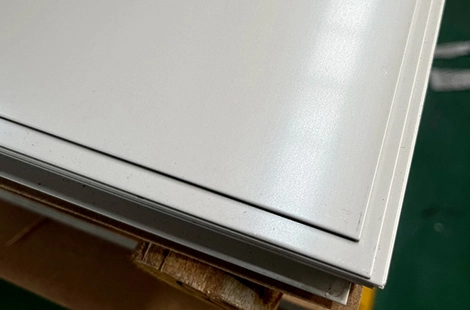
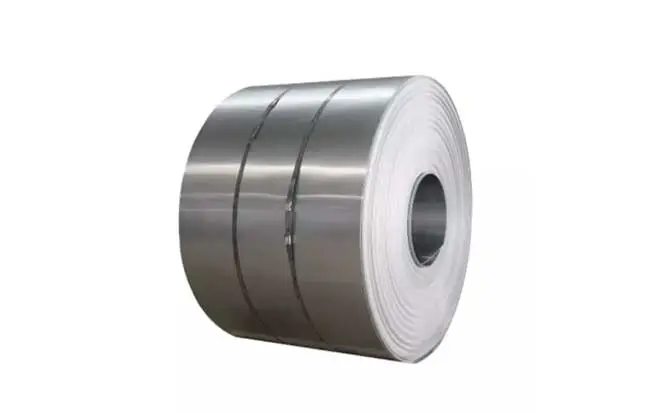
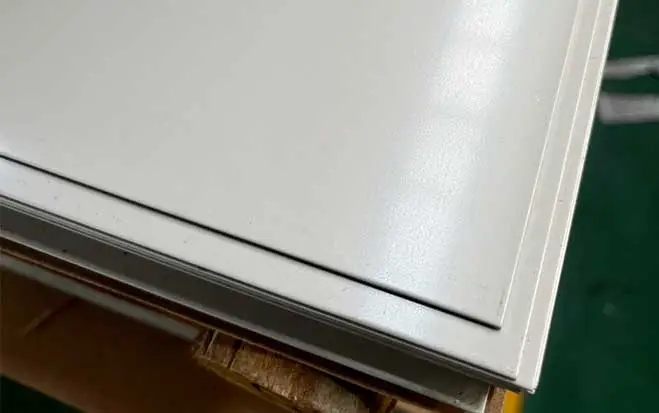
Precision 201 2B Stainless Steel: Bright, Smooth & Ready for Fabrication
2B is the most widely used stainless steel surface finish. 201 2B stainless steel is especially common in industrial, chemical and food processing applications such as process vessels and storage tanks. SS201 stainless steel is also used in some architectural applications, such as downspouts and gutters, where the uniformity of the finish will not be carefully checked. At the Normandy, 201 2B stainless steel is precision manufactured and easy to form and weld, ensuring efficient production and quality products. The SS201 material at Normandy is also manufactured using environmentally friendly processes to reduce environmental impact, providing sustainable, high-quality materials to meet modern industrial needs.
| No.1 Finish Stainless Steel Plate Grades | 202 / 304 / 304L / 304H / 309S / 310S / 316 / 316L / 316Ti / 317L / 321 / 321H / 347 / 347H / 904L etc. UNS No. - UNS S30400, UNS S30403, UNS S31008, UNS S31620, UNS S31603, UNS S31603, UNS S31635, UNS S31703, UNS S32100, UNS S34700, UNS S34709, UNS S8904 EN No. - 1.4301, 1.4307, 1.4845, 1.4401, 1.4404, 1.4571, 1.4438, 1.4541, 1.4550, 1.4551, 1.4539 | |||
| Standard | JIS, AISI, ASTM, GB, EN | |||
| Place of Origin | China | |||
| Certification | ISO | |||
| Thickness Range | 0.3-3.0MM | |||
| Thickness Tolerance | ± 5%MM | |||
| Surface Classification | 2B | |||
| Grade | / | |||
| Width | 1250 MM / 1500 MM / 2000 MM / 04 Feet / 05 Feet and Custom Cut Width as Per Requirement | |||
| Length | Steel Plate Length 2400 MM / 2420 MM / 6000 MM / 08 Feet / 10 Feet / Coil Cut and Custom Cut Length as Per Requirement | |||
| Technique | Cold Rolled | |||
| Quality | High Quality Inspection | |||
| Application | 201 2B stainless steel is typically used for non-cosmetic parts. Items we typically see with a 2B finish include bakeware and flatware, fixtures, solar panels, industrial equipment, enclosures and covers. | |||
| Brief Introdction | A smooth, moderately reflective cold-rolled annealed and pickled or descaled finish typically produced by imparting a final light cold-rolled pass using [large diameter] polished rolls. This general-purpose finish is more readily polished than No 1 or 2D finishes. | |||
201 2B Stainless Steel offers several advantages. It is a cost-effective option compared to higher-grade stainless steels, making it suitable for applications with budget constraints. 201 2B stainless steel has good formability, allowing for easy fabrication and shaping. Additionally, 201 2B Stainless Steel has a smooth surface finish, making it visually appealing for decorative applications.
For fabricators and manufacturers who need reliable performance without premium pricing, 201 2B stainless steel delivers the ideal combination of affordability and functionality. Upgrade your project with 201 2B stainless steel — combining affordability, functionality, and visual appeal.
2B is the most economical finish
Chemically pickled and smooth, thus highly resistant to corrosion
201 2B stainless steel is not uniform and may not match in appearance over a wide range and between batches etc.
As sub-product of 2B surface finish stainless steel, 201 2B stainless steel has been produced in the factory and cannot be matched after processing
201 2B stainless steel is often protected by a plastic film until final cleaning and commissioning
Yes, 201 2B Stainless Steel can be welded using standard welding techniques. However, it is important to note that compared to other stainless steel grades, such as 304 or 316, 201 stainless steel may require more heat during the welding process. It is recommended to consult the welding procedure guidelines or seek professional advice for proper welding techniques.
201 2B typically costs 20-30% less than 304 2B due to its lower nickel content. But we always recommend verifying if your application truly needs 304's corrosion resistance—many projects using 201 can achieve significant savings without performance compromises.
In mild environments (indoor/dry climates), 201 2B performs adequately. However, coastal or high-humidity areas will accelerate surface rusting—304 is the safer choice there. Pro tip: Passivation treatment can temporarily improve 201’s resistance, but it’s not a permanent fix.
Our standard range spans 0.3mm to 3.0mm, with ±0.02mm tolerance. Need non-standard gauges? We can cold-roll custom thicknesses, though MOQs apply. Here’s a rule of thumb: Thinner coils (below 1mm) suit decorative uses, while 1.5mm+ handles structural loads.
With caution. While it’s cheaper than 304, 201 will show rust spots in outdoor settings unless regularly maintained. For short-term projects or sheltered installations (e.g., ceiling panels under roof cover), it may suffice—but for facades or railings, we’d strongly advise upgrading to 304 or 316.
Yes, we provide precision shear cutting (straight edges) and laser cutting (complex shapes) with ±1mm accuracy. Just share your DXF file or dimensions; we’ll optimize the sheet layout to minimize waste. Watch out though: Laser edges may darken—ask for edge polishing if aesthetics matter.